Inside the Conversation on Technology and Veterinary Care at Cebu Technological University


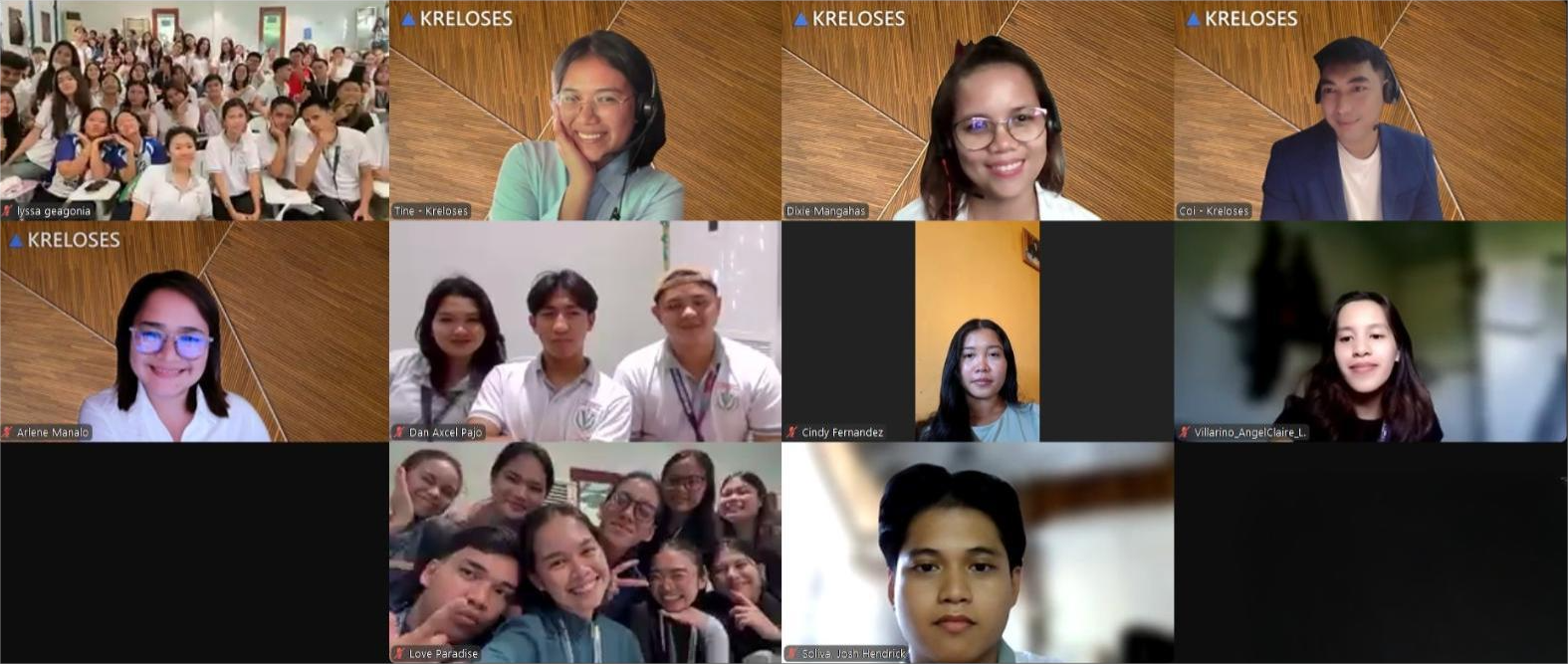 A lively learning moment as CTU veterinary students connect with the Kreloses team to explore how technology is shaping modern veterinary practice.
Kreloses recently held an online seminar with veterinary students from Cebu Technological University, and the session quickly became more than a presentation. Even though the speakers joined remotely, many students gathered together in a large classroom, creating an energy that felt lively and collaborative from the start. Guided by Dixie and Tine, the conversation moved naturally from curiosity to real questions about how veterinary work is changing and what that means for the next generation entering practice.
The discussion explored how many clinics are gradually transitioning from manual routines to more structured digital workflows. In many practices, handwritten notes, scattered files, and separate tools for scheduling or billing can become difficult to manage as patient numbers grow. A veterinary clinic management system helps bring these elements into a more coordinated routine, making it easier for teams to maintain accurate records and keep daily operations organized.
What stood out most was the students’ depth of engagement. They asked practical questions that reflected how they already think about responsibility in real clinics, not just clinical skills. Some wanted to understand how data security is maintained, while others asked whether digital tools are realistic for new or smaller practices. Their questions showed a readiness to see veterinary care not only as a medical profession, but also as an environment where clear processes and accountability matter.
Dixie, Tine, and Coi responded in a way that kept the discussion approachable and grounded. Rather than focusing on technical explanations, they used practical examples and simple scenarios to illustrate how digital systems support everyday clinic work. Through these examples, students could see how information might be organised, follow-ups coordinated, and documentation kept consistent within a clinic setting. The conversation emphasized how systems work best when they support clinicians quietly in the background, allowing veterinarians to stay focused on animals and their owners.
The seminar also highlighted the value of connecting real clinic experiences with veterinary education. While training builds strong foundations in diagnosis and treatment, the operational side of practice often becomes clearer only after entering the field. Exposure to how modern clinics organize their workflows helps students step into their future roles with greater awareness and confidence.
The biggest takeaway was simple. Technology is not meant to replace the human side of veterinary medicine. When used thoughtfully, it helps protect time, reduce repetitive administrative work, and support clearer coordination within a team. In the end, that means more attention for animals, better communication with owners, and a clinic environment that feels calmer for everyone involved.
Thank you to the veterinary students of Cebu Technological University for their curiosity and thoughtful participation throughout the session. We also extend our appreciation to Dr. Ruby Destajo for kindly helping to arrange and facilitate this seminar. Opportunities like this allow meaningful conversations to happen between students and practitioners, and we are grateful to be part of a shared effort to support the future of veterinary care.